
KYOCERA Document Solutions



Why Kyocera Cares About Sustainability in Healthcare
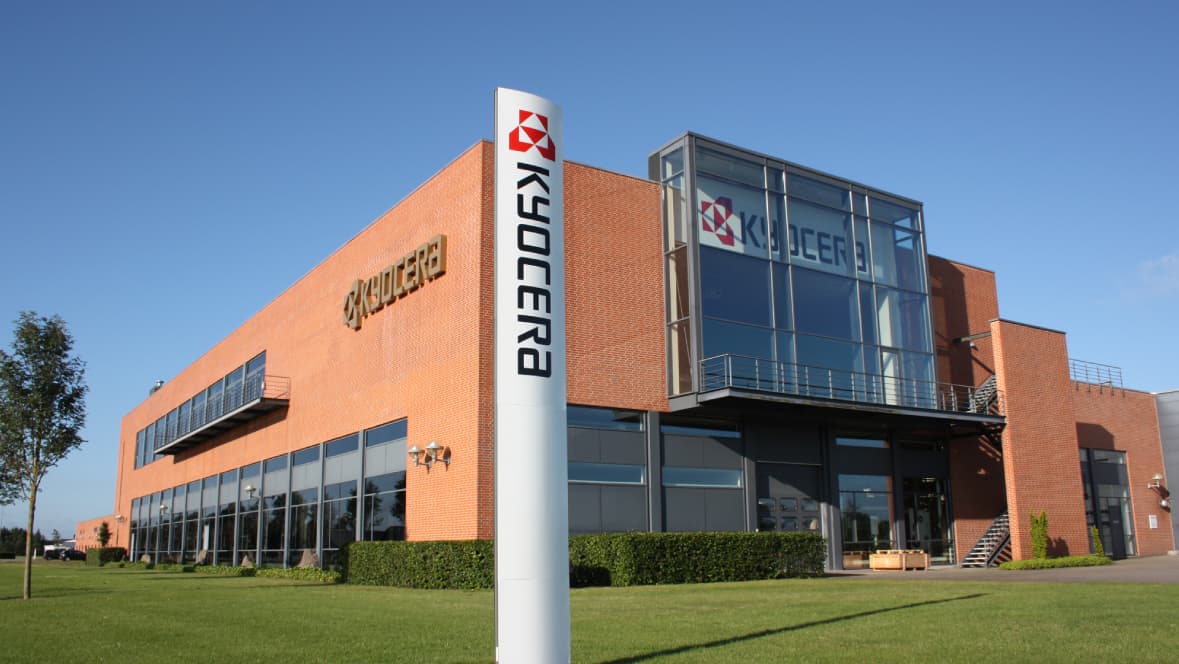
Kyocera began as a small ceramics company in Kyoto in 1959. Its founder, Kazuo Inamori, built the company around a simple idea: do what is right. More than 60 years later, that idea still influences how Kyocera approaches its business, including its environmental and social responsibilities.
That matters when Kyocera equipment is used in healthcare settings. The technology supporting clinical care needs to be reliable, while the organisations using it face growing pressure to understand the environmental and social impact of what they buy.
This article looks at how Kyocera's approach to ESG has developed over time, and what that means for your healthcare organisation today.
A Founding Philosophy
The Kyocera philosophy, set by founder Kazuo Inamori, has always focused on working in harmony with colleagues, society and the natural environment. That thinking influenced how the company operated and developed its products long before sustainability became a standard business measure.
In 1991, Kyocera formalised this approach through the Kyocera Environmental Charter. The charter set out commitments around environmental protection and product development, giving the company's environmental work a clearer structure.
That work has continued to develop as expectations around corporate sustainability have changed.
From Charter to Commitments
In 2015, Kyocera established its Environmental Safety Policy, taking into account the United Nations Sustainable Development Goals and the Paris Agreement. The policy covers areas including greenhouse gas emissions, resource use, chemical management and biodiversity.
Kyocera had also joined the United Nations Global Compact in 2011, committing to its ten principles covering human rights, labour, the environment and anti-corruption.
The company has since set increasingly ambitious emissions targets. In 2018, Kyocera set a target to reduce greenhouse gas emissions by 30% by fiscal year 2031, compared with its 2014 baseline. The target was certified by the Science Based Targets initiative the following year.
The current target covers Scope 1, Scope 2 and Scope 3 emissions, with a 46% reduction targeted by fiscal year 2031 against a 2020 baseline. Kyocera also has a long-term goal of achieving carbon neutrality by fiscal year 2051.

These targets depend on measuring what is happening across the business. Kyocera assesses water risks at its sites and uses water recycling systems at production facilities where appropriate. It also monitors chemical substances and pollutants as part of its manufacturing processes.
Recognition Earned Rather Than Claimed
External recognition provides another way to assess progress. CDP placed Kyocera on its Climate Change A List in 2020, 2021, 2023 and 2025, and also recognised the company as a Supplier Engagement Leader for its work with its supply chain on emissions.
Kyocera has also been named among Clarivate’s Top 100 Global Innovators 10 times, reflecting the company’s continued investment in research and development. That innovation spans areas including materials science, imaging and information management, helping shape the healthcare document solutions used by organisations around the world.

This investment also supports Kyocera’s wider approach to sustainability. Research and development helps the company explore new ways to improve product performance, resource efficiency and the way organisations manage documents throughout their lifecycle.
Furthermore, Kyocera's reporting has evolved over time. What began as an Environmental Report in 2001 has developed through Sustainability and CSR reporting into today's Integrated Report. This reflects a broader approach to reporting the company's environmental, social and business performance.
What These ESG Healthcare Commitments Mean in Practice
For healthcare organisations, the important question is what these commitments mean in practice.
Kyocera's environmental work covers areas such as energy efficiency, waste reduction, resource use and product development. Its wider ESG approach also includes areas such as employee wellbeing, responsible supply chains, information security and governance.
For a healthcare organisation, this provides a basis for looking at a supplier beyond the specifications of an individual device. The environmental performance of the product matters, but so do the company's wider policies and evidence behind its ESG claims.
The following articles look at how this approach applies to healthcare in more detail, from product design and energy efficiency to responsible manufacturing and the changing expectations around sustainable procurement.
Read More ESG Articles
Access more articles about how Kyocera supports ESG in European healthcare.


- Sustainable by Design
- Future-Fit Business
- Enabling Sustainable Business
Commonly Asked Questions
The philosophy, targets and recognition behind Kyocera’s ESG commitments in healthcare.
- FAQ
Founder Kazuo Inamori built the company in 1959 around doing what is right, and working in harmony with people, society and the environment.
A 46% cut in Scope 1, 2 and 3 emissions by fiscal year 2031 against a 2020 baseline, and carbon neutrality by fiscal year 2051.
CDP Climate Change A List recognition in 2020, 2021 and 2023, Supplier Engagement Leader status, and Science Based Targets certification.
It shows whether environmental performance is built into the business or added later, which is what ESG evidence requests ultimately test.
Want to see the evidence behind the philosophy?
Talk to Kyocera about the targets, certifications and reporting your healthcare organisation can rely on.