
KYOCERA Document Solutions
Cotopat- Empowering Every Voice Across Europe's Diverse Communities
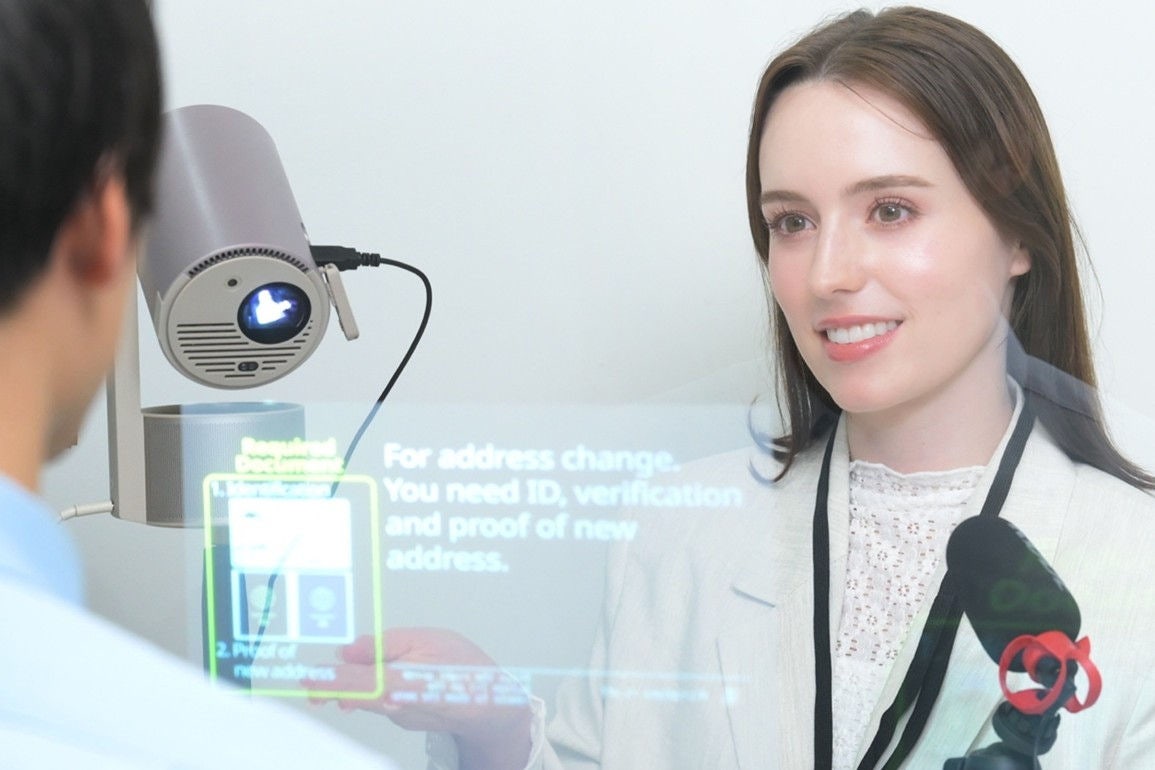
Kyocera is committed to creating an inclusive society where no one is left behind. From this dedication, another transformative product was born.
During the height of the pandemic, when masks made barriers to communication, our development team witnessed something that would change everything: people with hearing impairments suddenly found themselves more isolated than ever. "I couldn't tell if someone was speaking to me, let alone understand what they were saying," one person shared with us. That moment sparked a simple but powerful question: "What if we could transform these barriers into bridges?"
In today's interconnected Europe – shaped by tourism, migration and multicultural workplaces – this vision has never been more relevant. Alongside a growing ageing population, organisations across the continent are searching for effective solutions to ensure full participation for everyone in society.
Because when everyone can join the conversation, we all move forward together.

What is Cotopat?
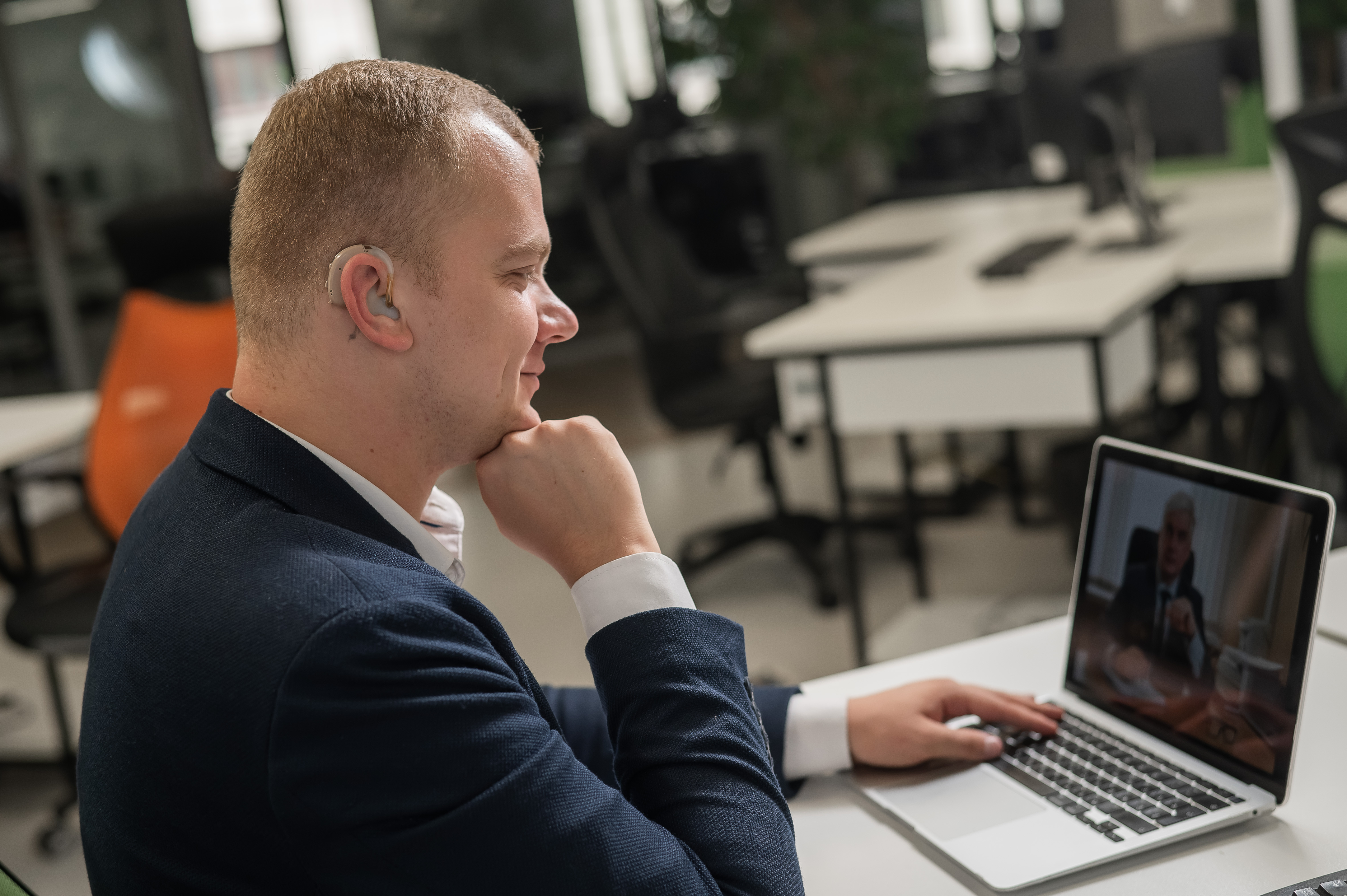
Cotopat bridges the moments when words fail to connect us—whether due to language differences or hearing challenges. By recognizing speech in real-time and displaying text, diagrams, and videos on screens, this innovative system effectively resolves conversation comprehension challenges, creating seamless communication experiences where every conversation flows naturally and every voice is heard and understood.
Cotopat Screen
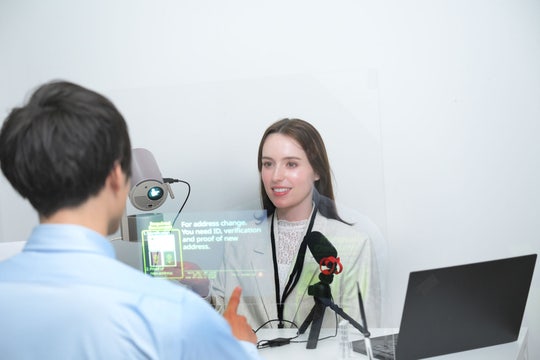
Unlike conventional subtitle systems that force users to look away from the speaker, Cotopat Screen uses transparent displays that keep eye contact intact. By allowing individuals to see each other's expressions, it enhances comfort and fosters trust during interactions—ensuring natural face-to-face communication continues uninterrupted.
Cotopat Screen Features
Real-time Recognition of Speech with Clear Text, Diagrams, and Video Display
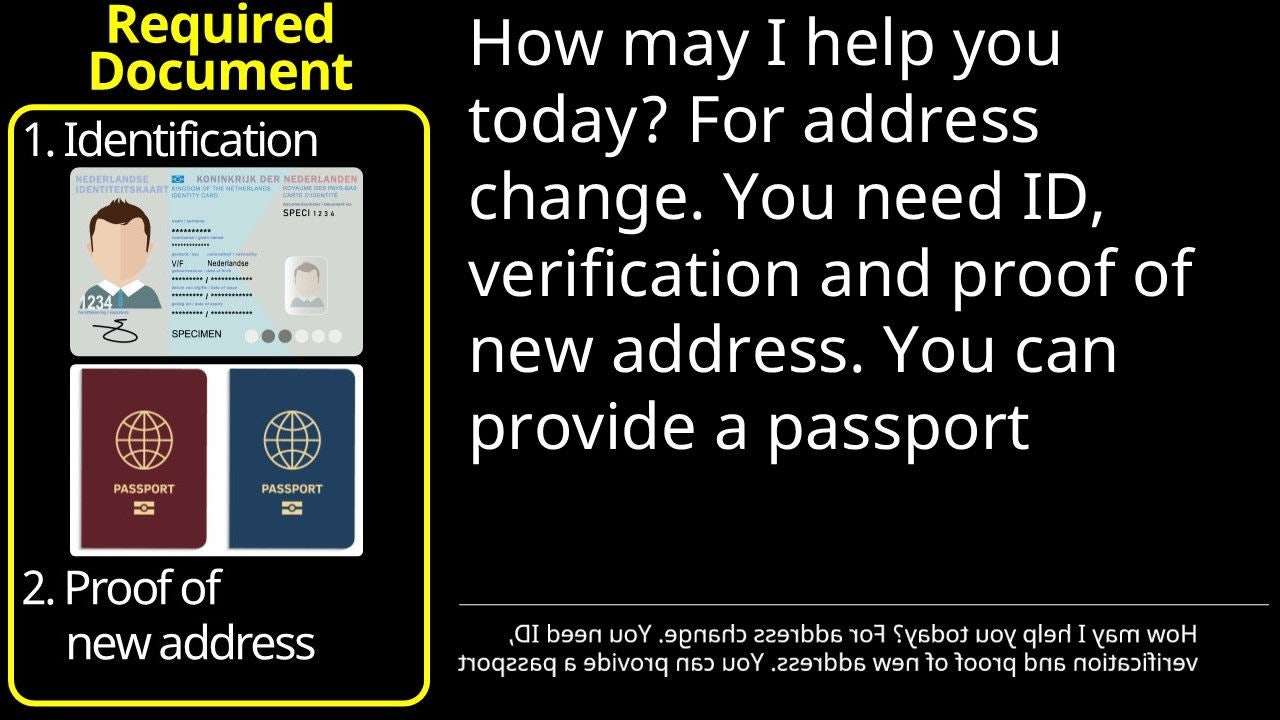
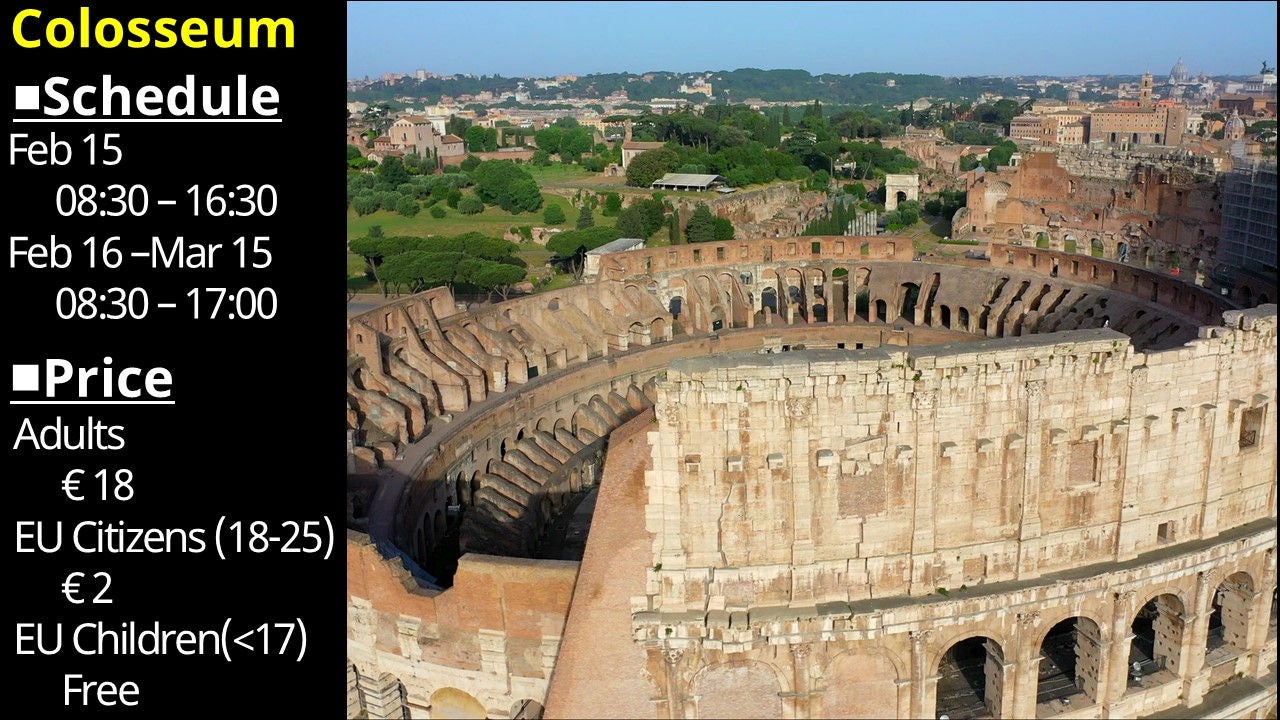
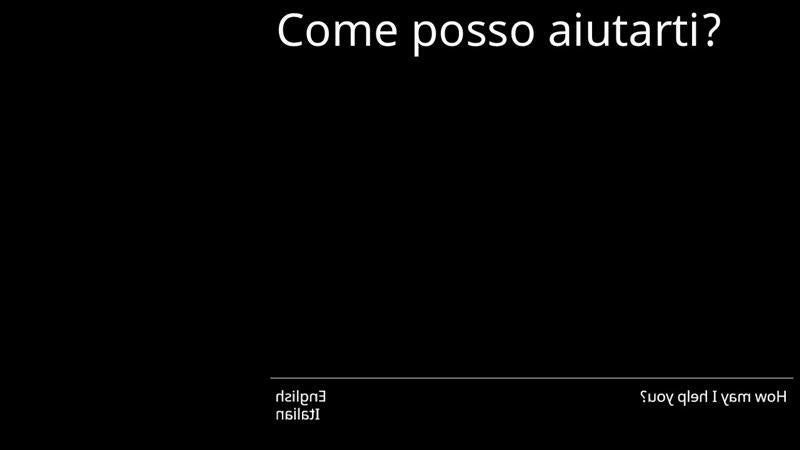
- Real-time Speech-to-Text Captioning
- Enhanced Understanding Through Diagrams and Videos
- Multi-language Translation Display
Enhancing Reception and Service Points for Greater Accommodation
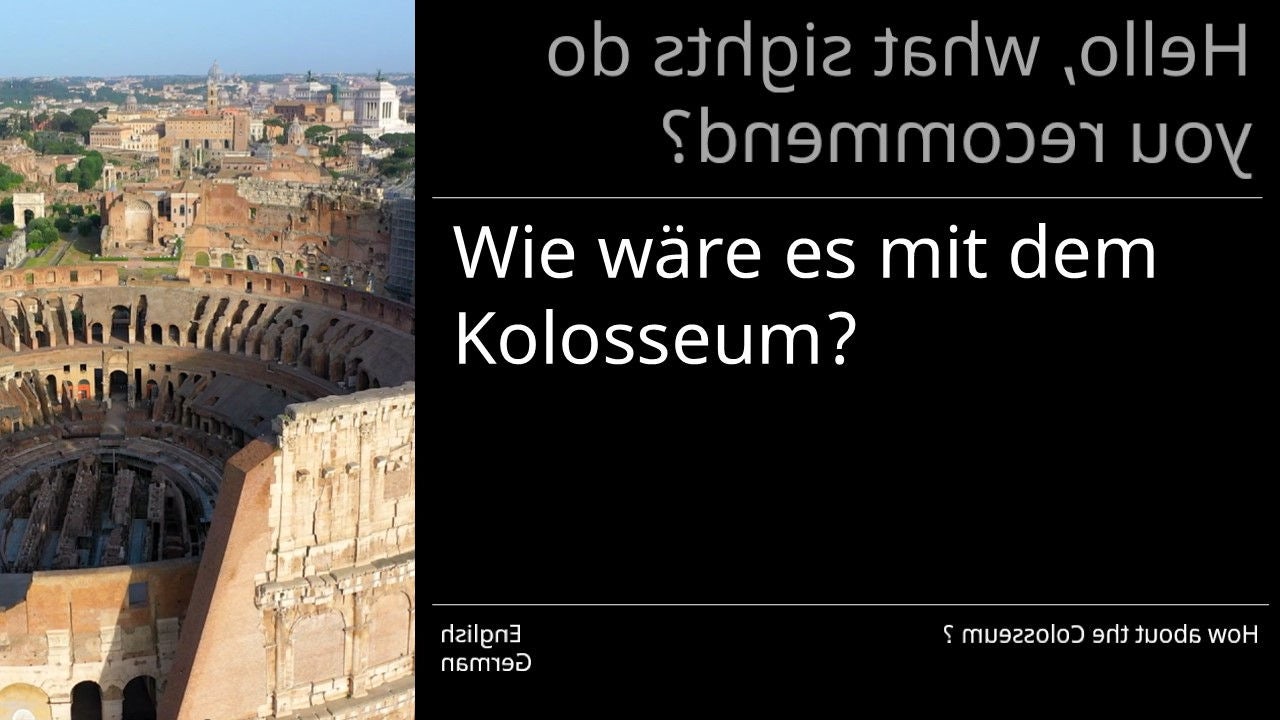
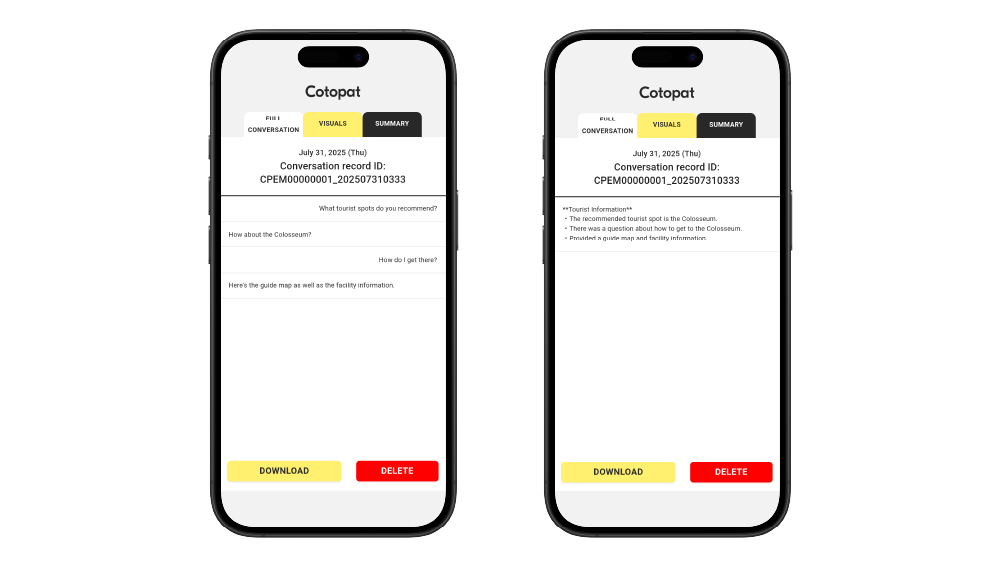
- Two-way Translation Display Support
- AI-Powered Conversation Summaries
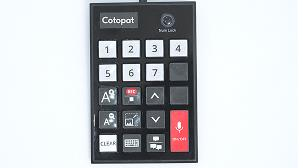
- Simple Operation with Numeric Keypad Only



- Local Government Services
- Healthcare Services or Environments
- Tourism and Cultural Heritage Sites



- Transportation Centers
- Legal and Notary Services
- Banking and Financial Services
Our latest Implementation Case Studies
Cotopat has been successfully launched in Japan where it has gained recognition across diverse sectors. The following case studies demonstrate proven results from real-world implementations, showcasing the system's effectiveness in various professional environments that mirror European needs.
Doshisha University
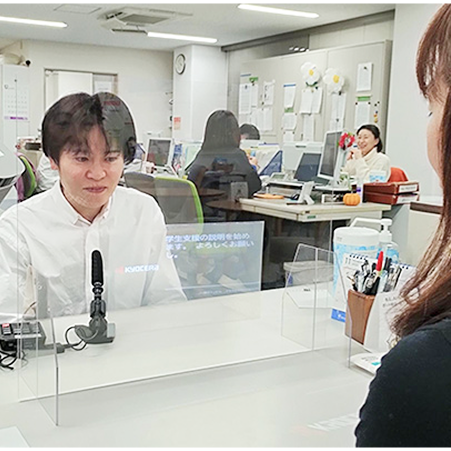
In 2021, Doshisha University unveiled its Diversity Promotion Declaration, with support for students with disabilities identified as a paramount concern. The university has installed Cotopat display system across campus to facilitate communication with hearing-impaired students. Beyond simply enabling more fluid conversations, the very presence of this technology serves as a powerful reminder for other students to acknowledge their majority privilege and contemplate meaningful ways to support minority.
City of Kyoto
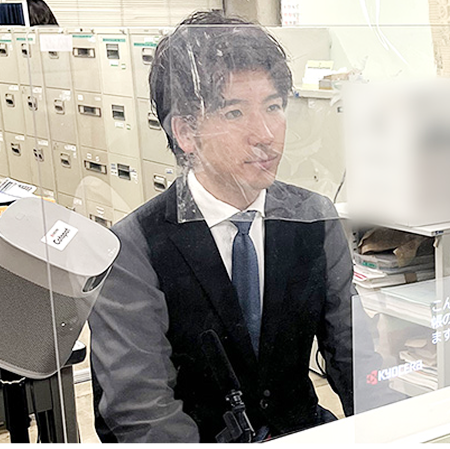
The Cotopat Screen technology has been successfully deployed across Kyoto city governmental offices, encompassing 11 ward buildings and 3 satellite branches. The municipal administration is actively pursuing 'the digitalisation of their ward services to create 'smart civic centres'', guided by their core philosophy of 'compassionate digitalisation that ensures inclusivity for all citizens'. The adoption of this innovative system forms part of their broader strategy to enhance frontline service interactions with elderly residents, hearing-impaired individuals, and international visitors and foreign citizens requiring communication support.
Sagami Railway Co., Ltd.
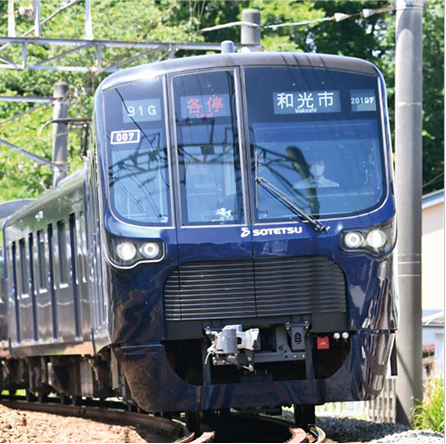
Sagami Railway Co., Ltd. operates railway services primarily in Kanagawa Prefecture. The company has installed the 'Cotopat Screen' at the main counter (South Ticket Gate) of Shin-Yokohama Station on the Sotetsu Shin-Yokohama Line. With the rise in international visitors to Japan, Shin-Yokohama Station—a key interchange for the Tokaido and Sanyo Shinkansen—has experienced an increase in international passengers, necessitating enhanced multilingual support services. The implementation of Cotopat is designed to facilitate more effective communication between station staff and international.
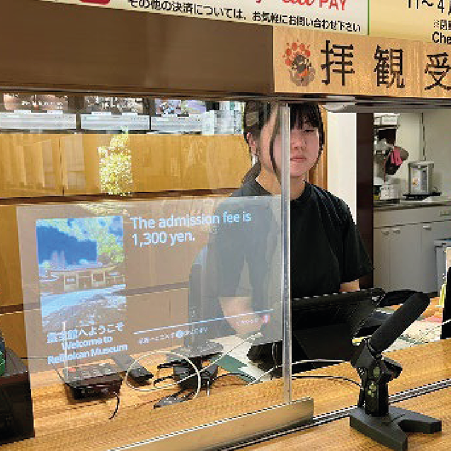
Koyasan Reihokan Museum
The Koyasan Reihokan Museum houses Buddhist cultural treasures from temples across Mt. Koya. Recently, Mount Koya has seen a marked increase in international visitors, many of whom include the museum in their itinerary. In response, the museum has installed the Cotopat Screen to better accommodate international tourism. Located at the reception desk and shop till point, the system provides museum information and addresses enquiries from international guests. It promises to enhance communication with overseas visitors and boost visitor satisfaction.
Feel free to contact us for demonstrations or quotations.
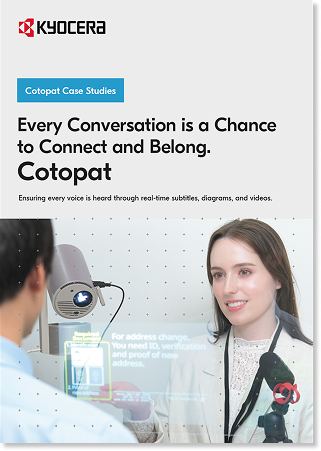
Case Studies Brochure
Download our Cotopat brochure for more information about this solution.
Service and reception duties increasingly require diverse communication skills to assist elderly people, those with hearing impairments, and international visitors. This brochure introduces Cotopat, an innovative communication tool designed to support inclusive and effective communication, featuring various case studies of its application.
Please download it for free.
Cotopat Legal Documentation




- Cotopat Privacy Statement
- Cotopat EULA
- cotopat-data-processing-terms-and-conditions
- COTOPAT Terms and Conditions of Use