
KYOCERA Document Solutions



ESG stands for Environmental, Social and Governance. First coined in 2004, the framework is used to measure a company’s environmental and social impact and looks at how businesses manage their environmental footprint, contribute to society, and ensure responsible governance structures. It also helps stakeholders understand how an organisation manages ESG risks and opportunities.
With over 2,400 ESG regulations worldwide, sustainability reporting is now central to corporate compliance. The European Union is leading this shift, with far-reaching implications that require businesses to move beyond compliance and demonstrate real leadership in ESG initiatives.
But beyond the acronyms and regulations, what is the meaning of ESG for today’s businesses?
ESG initiatives in Europe
Investment in ESG is quickly becoming commonplace, impacting markets and investment strategies. This is especially apparent in Europe, which has quickly become a global hub for ESG.
According to research from Bloomberg Intelligence, global ESG assets are soon set to reach over $50 trillion. This represents over a third of total assets under management worldwide and reflects how ESG principles are shaping corporate decision-making.
At Kyocera Document Solutions Europe Management B.V., driving ESG progress aligns naturally with our founding values and long-standing commitment to responsible innovation.

Environmental relates to how a company handles its impact through areas such as renewable energy, sustainability and pollution.
At Kyocera, business is built to coexist harmoniously with society and nature. We’ve put sustainability at the core of our designs since the start, minimising our environmental impact and protecting our planet, now and for the future. In practice, this philosophy is embedded across our design and production processes:
- Long-lasting components
- Energy-efficient systems for waste
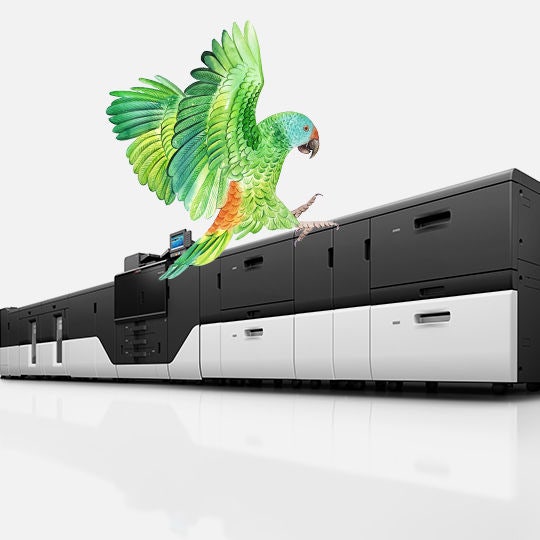
- Eliminating water pollution through FOREARTH, our eco-friendly textile printer
- Upcycling waste toner
- Recycling of waste PET materials
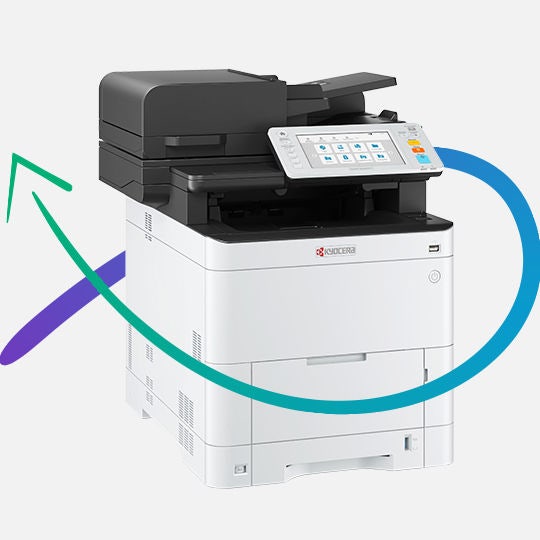
Sustainability by design
Explore Kyocera’s ECOSYS concept, enhancing product durability and reducing waste through long-life parts and innovative design.
Social: Uplifting people and society through selflessness
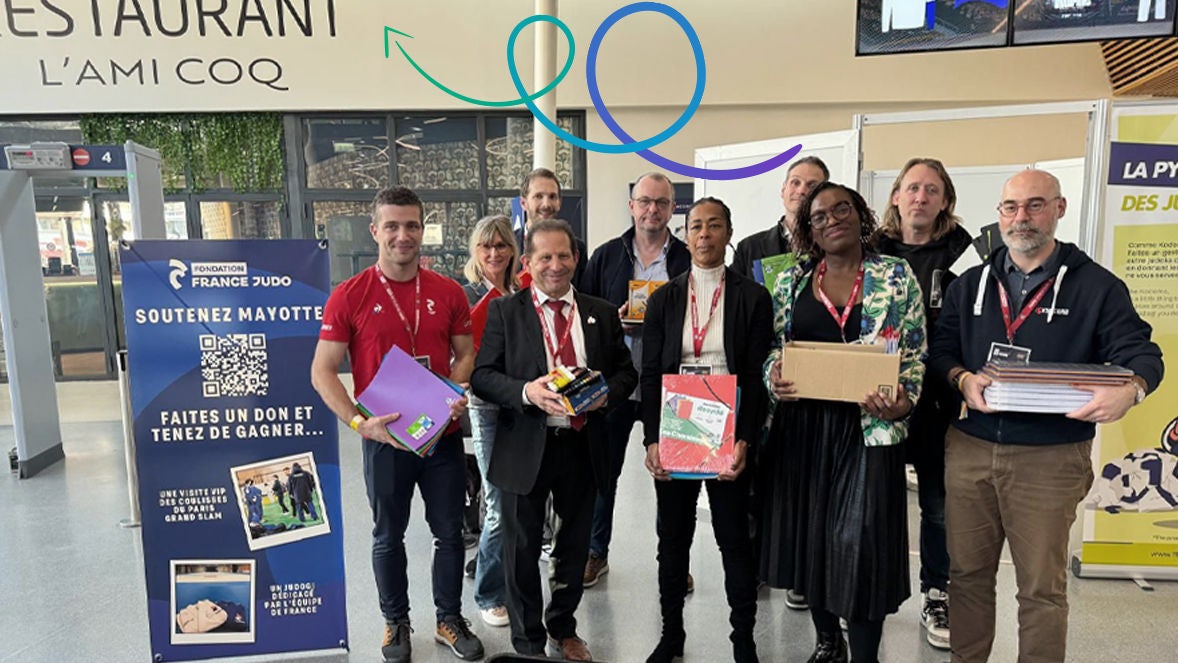
Social is how a business treats people, from clients to customers and staff. It includes workplace Diversity, Ethics and Inclusion (DE&I), external community engagement and employee well-being.
Selflessness is the foundation of our culture. We place people and communities at the heart of what we do, creating opportunities that advance human potential and make business a force for good.
Governance: Leading with integrity and ethical business practices
Governance is related to corporate responsibility, encompassing decisions made by high-level executives and includes the ethics and accountability held by the company as a whole.
At Kyocera, governance is guided by timeless principles rather than trends. We believe in working fairly, acting responsibly and fostering trust across our business.
Whether it’s related to the environment, society or governance, our purpose stays the same: to drive progress for the good of the world around us.
We drive progress for the good of the world around us.”
ESG for today and tomorrow

- Our commitment to ESG and ethical governance
- Kyocera’s inkjet textile printer
- Sustainably manage your information
Let’s make progress together
Reach out to our team to learn how our solutions can support your
ESG initiatives.