
KYOCERA Document Solutions



Corporate social responsibility (CSR) has become a defining factor in how organisations build resilience, earn trust, and secure long-term success. In today’s business environment, CSR is embedded in operations and decision-making.
As stakeholder expectations increase, organisations are expected to demonstrate measurable commitment to environmental responsibility and transparent governance.
In today’s digital landscape, information security is not just a technical requirement – it is a core pillar of CSR. To operate responsibly, organisations must safeguard the data entrusted to them and ensure their operations are transparent, ethical, and resilient.
This is where internationally recognised standards such as ISO 27001:2022 play a critical role. This internationally recognised information security certification provides a structured framework for managing information security risks and reinforces CSR strategy through independently validated processes.
At Kyocera, information security is structurally embedded within our governance framework. The Kyocera Group’s Basic Information Security Policy establishes clear rules, responsibilities, and action guidelines for maintaining the confidentiality, integrity, and availability of information assets across all business activities.
Why CSR is important for business
CSR refers to the voluntary efforts organisations make to balance economic performance with social and environmental responsibility. It reflects the belief that businesses should create value not only for shareholders, but for society as a whole.
At Kyocera Document Solutions Europe, our CSR strategy is rooted in the Kyocera Philosophy. Founded on the principle of "Respect the Divine and Love People," our approach emphasises integrity, fairness, and responsibility in all business activities. In practical terms, this translates into driving progress for the world around us – through innovation, sustainability, and responsible governance.
Research supports the importance of governance within CSR. McKinsey’s 2025 Global GRC Benchmarking Survey found that many organisations acknowledge gaps in governance due to underinvestment and limited use of decision-enabling technologies. In other words, governance is recognised as essential, yet often underdeveloped.
While governance practices differ across sectors and geographies, core principles remain consistent:
- Clarity of purpose and strategic vision.
- Informed and transparent decision-making.
- Accountability and oversight.
- Continuous improvement.
- Compliance with the rule of law.
How security is integral to a CSR strategy
Organisations are entrusted with sensitive customer, employee, and partner data. Protecting that information is an ethical obligation as much as an operational necessity.
At Kyocera, safeguarding information is an extension of our philosophy, "Respect the Divine and Love People" – a commitment to fairness, integrity, and social responsibility. Information security is not simply a technical safeguard; it reflects how we fulfil our duties to society.
CSR also influences workplace culture. Research has shown that CSR initiatives can positively affect employee engagement, organisational commitment, and behaviour. Research from Deloitte found that 77% of millennials consider a company’s CSR initiatives when deciding where to work. A strong CSR strategy, therefore, supports talent attraction and retention.
CSR can also influence cybersecurity behaviour within organisations. When employees perceive strong ethical leadership and psychological safety, they are more likely to follow secure practices and engage responsibly with digital systems. CSR programs can promote safe online habits, reduce risky behaviours, and strengthen organisational resilience.
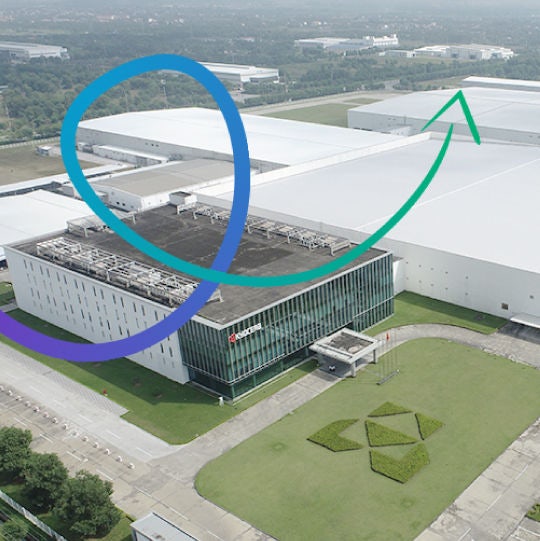
Inside CSR at Kyocera Europe
Discover how Kyocera’s CSR strategy is guided by the Kyocera Philosophy and embedded across governance, environmental action, and community initiatives throughout Europe.
Kyocera's approach to governance and data security standards
Clear governance structures ensure accountability at every level of the organisation.
By aligning with internationally recognised standards, we ensure that operations and devices meet legal requirements and reflect global best practices.
Security, for example, is embedded into our products and services as part of our broader governance approach.
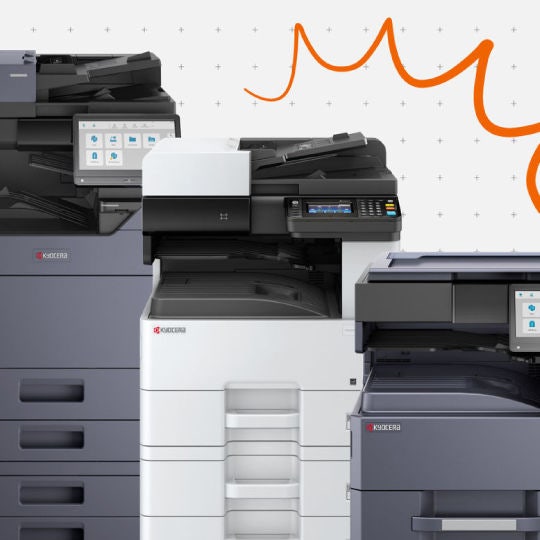
Across the ECOSYS and TASKalfa ranges, we integrate:
- Secure Boot and Run-Time Integrity Check to prevent unauthorised firmware changes.
- Trusted Platform Module technology to protect data stored on devices.
- TLS 1.3 and S/MIME to safeguard documents during transmission.
- Administrator-controlled firmware updates.
- Application allow-listing to restrict unauthorised software.
- SIEM integration for enhanced monitoring and visibility.
These measures support strong data security standards and secure cloud workflows by ensuring document handling is protected from device to network.
Clear governance structures ensure accountability at every level of the organisation."
ISO recertification and what it demonstrates
In September 2025, Kyocera Document Solutions Europe successfully achieved recertification to ISO/IEC 27001:2022.
ISO/IEC 27001:2022 defines the requirements for establishing, implementing, maintaining, and continually improving an information security management system (ISMS). Certification involves an independent audit by an accredited certification body to verify conformity with the standard.
Recertification confirms that Kyocera’s information security management system and related controls are continuously evaluated, monitored, and improved.
By maintaining certification to internationally recognised data security standards, Kyocera reinforces its CSR strategy through measurable, externally validated governance practices.
The value of working with a certified partner
For customers and partners, working with an organisation that maintains ISO recertification provides assurance beyond product performance.
It signals:
- Structured risk management.
- Independent oversight.
- Alignment with recognised data security standards.
- Continuous improvement.
- Transparency in operations.
In complex digital ecosystems where cloud workflows connect multiple stakeholders, these assurances matter.
The future of responsible governance
CSR is not solely about environmental initiatives or community engagement. It is about how organisations govern themselves, protect stakeholders, and act with integrity.
Strong governance supports responsible innovation. ISO 27001:2022 recertification demonstrates that these principles are implemented through structured systems, independent validation, and continuous improvement.

- Kyocera solutions for IT teams
- Secure, reliable A3 printing for business
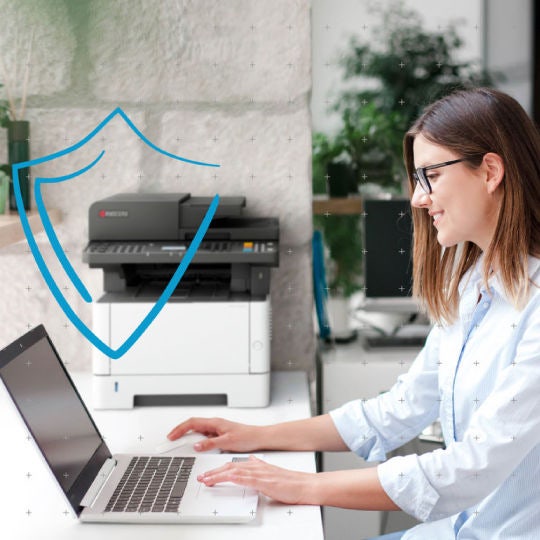
- Built-in printer security and data protection
Partner with a company that puts governance first
Reach out to our team to learn more about our commitment to responsible governance and how we support secure business growth.